




 |
Useful Articles / Life experience |
Future-Proofing Your Career: AI-Resilient Roles for the Next Half-Decade

Artificial intelligence is no longer a far off hope — it has begun to transform the way we toil, educate ourselves, and pursue a career. From automating customer service to producing AI-generated content, people are asking the same question: Will my job be there five years from now?
That said, AI will do whatever it can to be used to accomplish tasks for AI and replace people. But, it will also produce a number of new opportunities. The trick is to figure out which jobs are most at risk — and which are still likely to remain AI-proof, or, more accurately, AI-resilient, by and large in the near future.
This article considers what kinds of jobs and academic routes are anticipated to remain relevant and safe for the next 5 years and the reasons that human capabilities matter more than ever.
What Does “AI-Proof” Really Mean?
No job is completely immune from change. What we mean by AI-proof are not careers that aren’t altered by technology. Instead we refer to roles that are:
- Hard to automate entirely.
- Highly dependent on human judgment, empathy or creativeness.
- Executed in difficult, unpredictable, emotionally rich settings.
AI performs tasks effectively when handling data, recognizing patterns, and repeating movements done in practice. Humans are great at understanding context, understanding ourselves and others, making ethical decisions and creating meaning. Jobs for which we’ve relied so heavily on these human abilities are much more resistant to automation.
The Changing Job Landscape and How AI Is Shifting the Game.
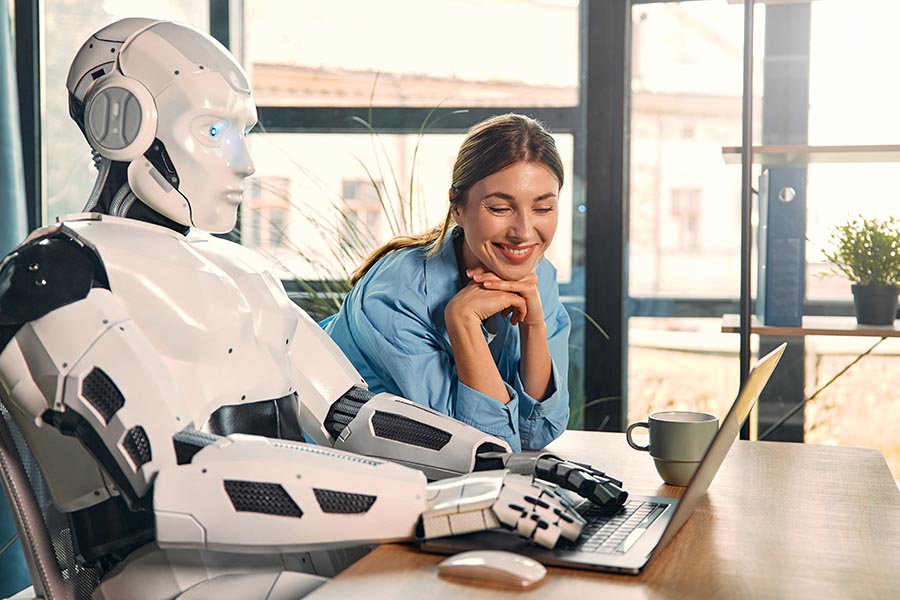
AI is particularly effective at:
- Recurring administrative tasks.
- Analysis of data and prediction.
- Content generation at scale.
- Process optimization.
Most routine or rule-based jobs are thus already being complemented or replaced.
But AI continues to battle for:
- True emotional intelligence.
- Moral and ethical reasoning.
- Creativity and originality and innovation. Interpersonal communication can be complex.
- Ability to change physically in real-world environments.
This distinction allows us to see which careers are most likely to thrive.
In the next 5 years: AI-Proof Jobs.
1. Health Affairs and Mental Health Professionals.

Doctors, nurses, therapists, psychologists, occupational therapists are largely AI-resistant. Sure, AI can help with diagnostics or administrative tasks, but it can’t replicate the human care, trust or empathy — especially when care is sensitive or high-stakes or vulnerable.
Education paths:
Medical degrees, nursing programs, psychology, counseling, and specialized healthcare certifications.
2. Educators and Learning designers.

Teachers, and particularly those in early childhood, special ed, and adult learning, go much farther than simply transmitting information. Motivation, emotional support, the ability to adjust, and mentorship are very human skills.
Education paths:
Education degrees, pedagogy, instructional design, and learning psychology.
3. Trades and Technical Specialists.

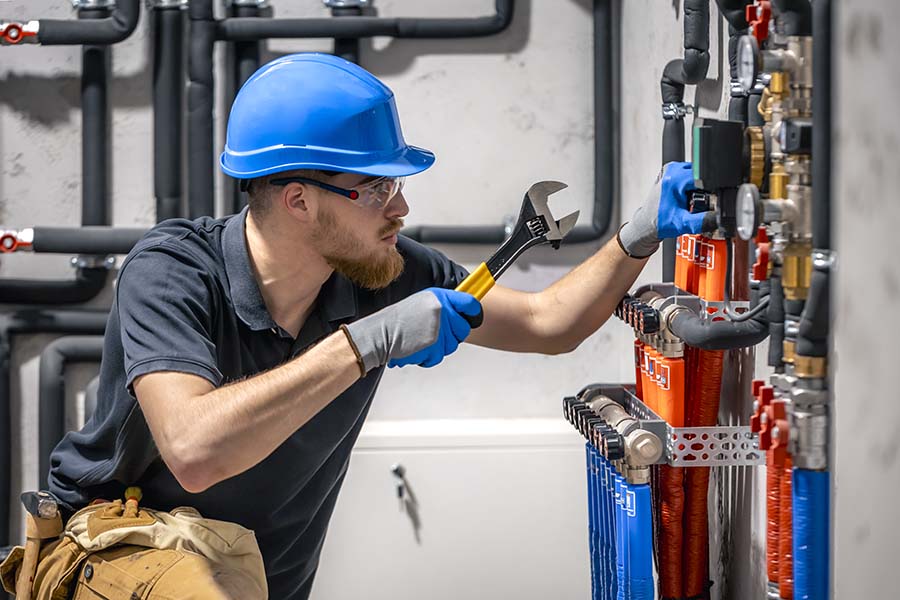
Electricians, plumbers, HVAC technicians, construction supervisors and mechanics labor in erratic natural settings where automation is both expensive and unreliable. These are AI-tough jobs — and more and more in need.
Education paths:
Vocational training, apprenticeships, technical certifications.
4. Creative and Strategic Roles.

Other, much original thinking jobs are hard to automate, like creative directors and brand strategists and UX designers and game designers and storytellers. AI can help with ideas, but cannot replace our vision, taste and cultural understanding.
Education paths:
Design, arts, media studies, marketing, human-centered design.
5. Leadership, Ethics, and Decision Making Roles.

Executives and managers, policy advisers and ethics consultants will have to balance data with values, culture and human impact. But these are responsibilities that require judgment, accountability and moral reasoning—all of which AI cannot take responsibility for.
Education paths:
Business, leadership studies, philosophy, law and public policy.
6. AI-Complementary Roles (AI Correspondent Roles).
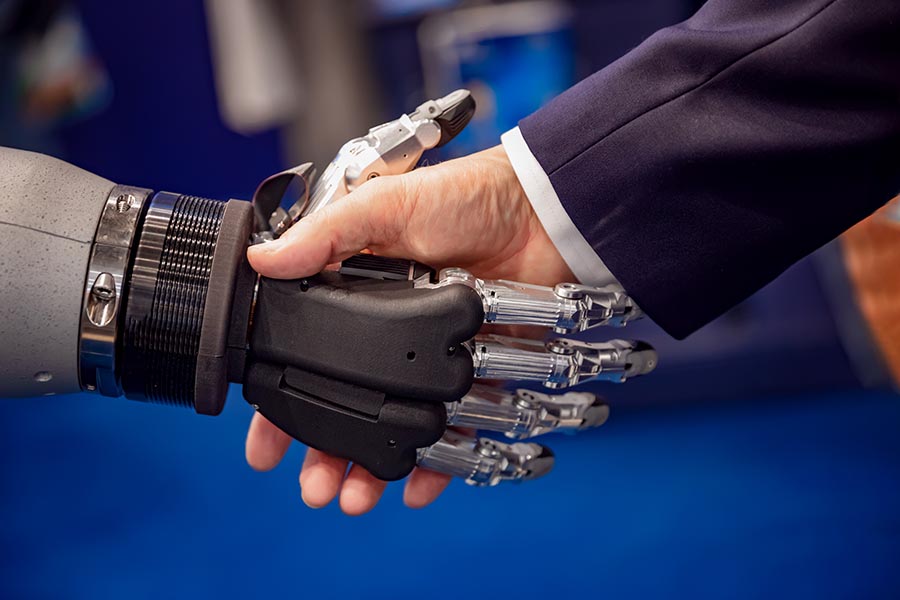
Some of the most secure careers will be in those who know AI and aren’t displaced by it — be they AI trainers, prompt engineers, data interpreters and AI ethics specialists.
Education paths:
Computer science, data analysis, AI literacy, ethics in technology.
Education And Skills That Will Keep Being Applicable.

Far from being focused so much on job titles, future-proofing a career means choosing the right skills to develop.
- Human skills.
- Communication and collaboration.
- Emotional intelligence.
- Leadership and adaptability.
- Critical and systems based thinking.
- Creative and strategic abilities.
- Problem-solving while in the ambiguous.
- Storytelling and design thinking.
- Innovation and entrepreneurship.
- Technical Literacy (Not Replacement)
- Understanding how AI tools work.
- The power of AI to improve productivity.
- Looking critically at AI outputs.
What Students and Professionals Should Do Now.
To remain competitive in an AI-driven world:
- Focus on learning how to think, not only what to know.
- Mix technical knowledge with people skills.
- Select paths for education that offer flexibility and lifetime commitment to learning.
- Get some real world experience through projects, internships, or hands-on work.
- View AI not as a competitor but as a collaborator.
Conclusion.
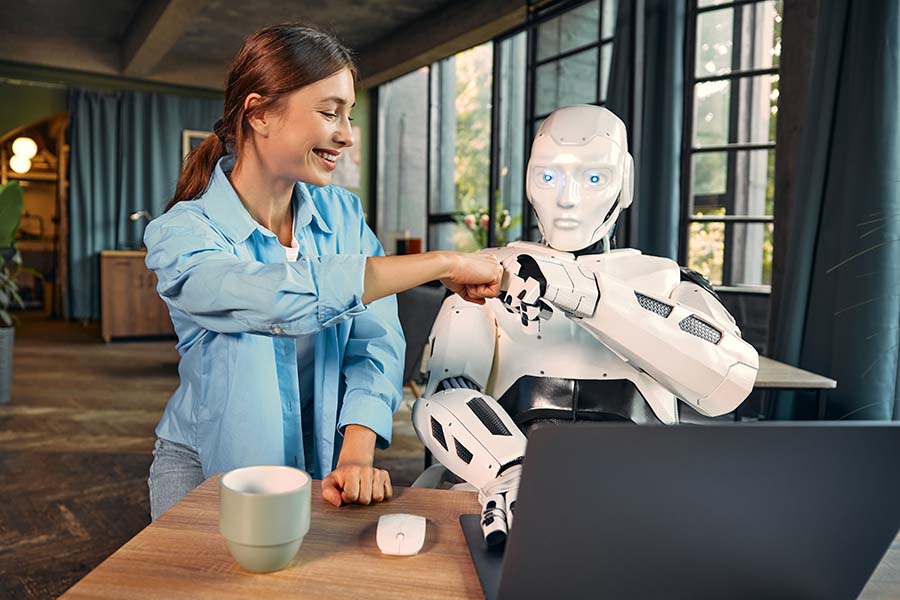
AI will continue to revolutionize the workforce — but cannot eliminate what defines us as human. Careers founded on empathy, creativity, ethical judgement, and adaptability are not only safer but also often more fulfilling.
The world’s next most AI-proof future will be for those that invest in skills that machines cannot duplicate and who remain willing to learn and grow. It is not the fear of automation that can challenge the definition of work in the next five years, it’s a vision of work that’s human.